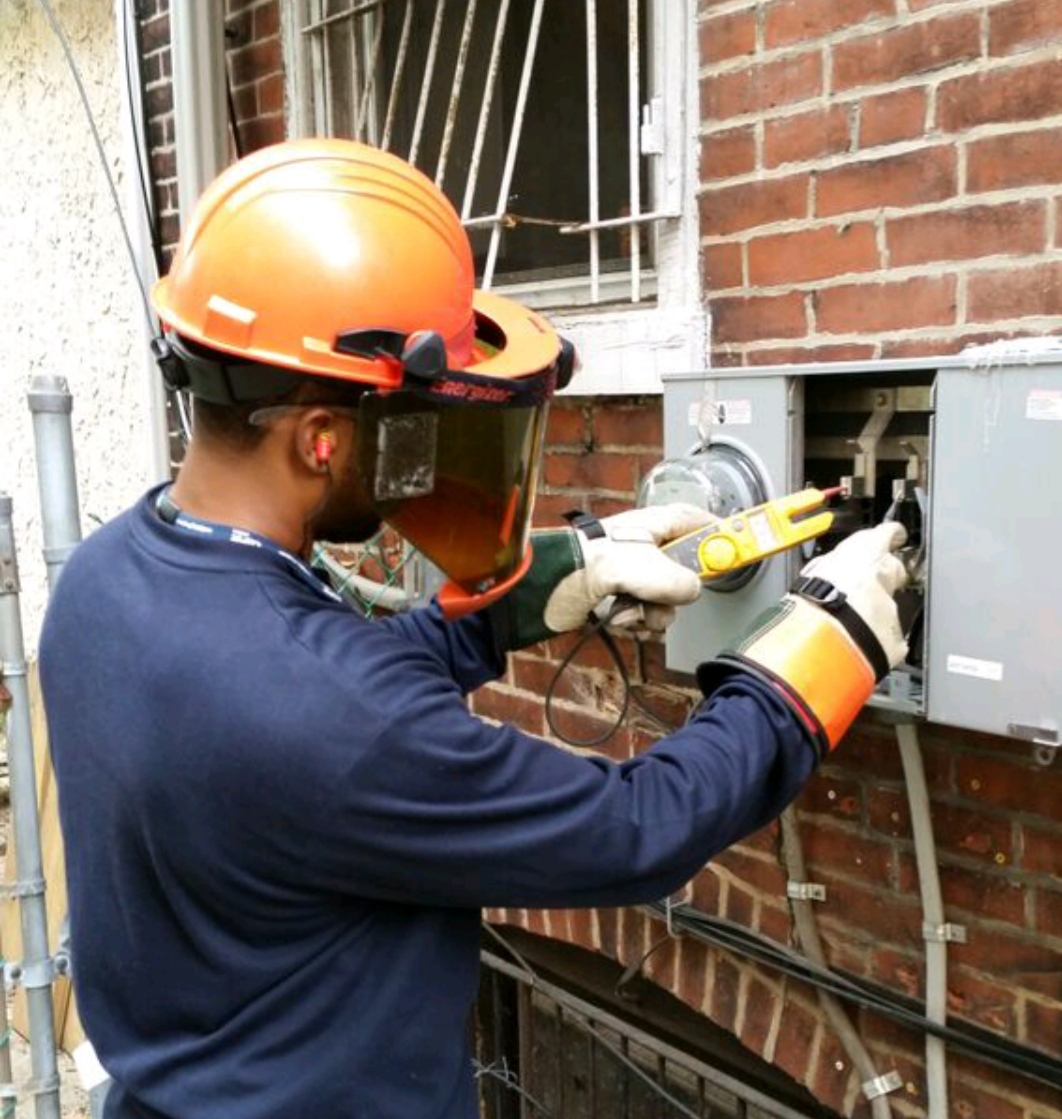
https://www.homedepot.com/c/ab/types-of-circuit-breakers/9ba683603be9fa5395fab900f0d22b4
Electrician Hack – How to find out how much wire is on a reel
A Move to Make
To all my young Electricians, Men and Women of all Trades, looking to earn a living, if you haven’t already started a family, it may be to your advantage to join an agency or company who will find you work abroad. Most will offer per diem, overtime and a better wage than the company’s offering employment back home. I myself have traveled the country while learning the tricks of the trade, simultaneously earning a better pay and getting to see our beautiful country. There’s a whole other world that stretches beyond what you’ve come to know, and your hunger for education will be met. The passion to learn through experiences will grow you in a multitude of ways. It’ll help you to understand what you’ve been taught, whether it be common knowledge shared amongst co-workers or code and theories taught in a classroom by an instructor. Embrace the process, knowing that your true competition stands before you in the mirror and that your own personal success comes after an onslaught of test. Focus on the basics initially to help simplify your learning process. Your ability to produce will increase in time, and your level of craftsmanship will show. FYI, if you don’t take the time out to learn the necessary steps and the applications in which they are to be applied, you won’t be happy with the end results. So allow yourselves to be taught, curb the bad attitude and humble your anxiety and aggression, because what you stand to learn is worth more than what you make today. Never stop reading, we’re witnessing rapid growth in a world with an old infrastructure that must be retrofitted in most instances. The benefits of reading consistently will make it easier as you’ll need to comprehend and navigate, not only the testing literature, but also the means in which you must apply the specifics of what is learned. Use trial and error to grow your confidence, and be tuff enough to do the hard work thoroughly.
When the time comes to deploy, you want to know as much about where you’re going as possible. This task is already made easy with the help of road signage, smart phones and internet access. You’ll need to Google your routes of travel, print out hard copies in the event that you lose service during your travels, You’ll be equipped. You should also travel with an up to date map, compass and watch out for speed traps, especially when crossing a borderline of any sort. Your out of state tags will stick out like a sore thumb, and can gain you some unwanted attention.
Lodging will be a difficult task, your initial research will help to minimize any inconveniences because after travel, you’d want to minimize the time spent doing anything else. Airbnb’s are popular but can be creepy, due to owners misusing hidden cameras and listening devices. Many owners feel as though they have the right to invade your privacy because you agreed to stay at their residence. Beware of sketchy Motels, most are drug infested, safe heavens for prostitution and burglary. And to weigh in on Hotels, the rates can be pricey, and if you have the option, go with the extended stay type. You’ll be able to prepare all of your meals at the extended stay, which will save you a ton of you’re earnings and minimize the random trips to find food in an unknown area.
Most jobs on the road will have you stationed in one place in particular, any where from 3 months to a year and some times longer, given the project that you are working on. That being said, you’ll want to reserve your extended stay for months at a time, if you are happy with the property, location and its accommodations. Always be willing to entertain a rental lease at an apartment complex to ensure that you have somewhere to consistently stay, because the reservations at extended stays and Hotels will fill up quick, with all of the reservations made from the people that constantly travel for business.
At what height should your flat screen be mounted | Nextdaytechs | On-site Technical ServicesNextdaytechs | On-site Technical Services
Burlington Labs
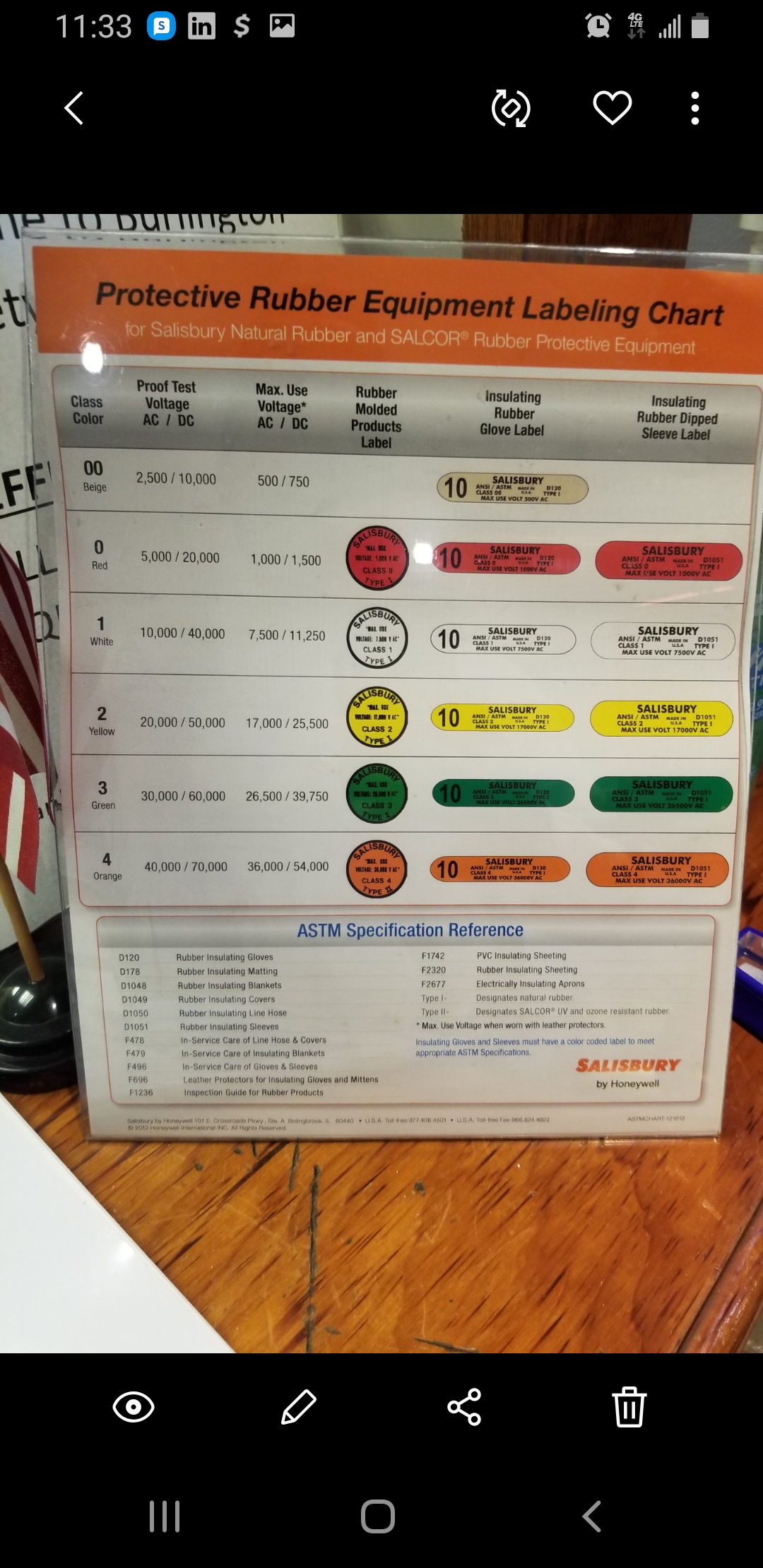
S/O2 to Burlington labs for having the goods, just an fyi if you need any insulating ppe or equipment to work with higher voltages and you’re in the tristate area of Philadelphia, check em out…
TGiF!!
Double Tapped Breakers
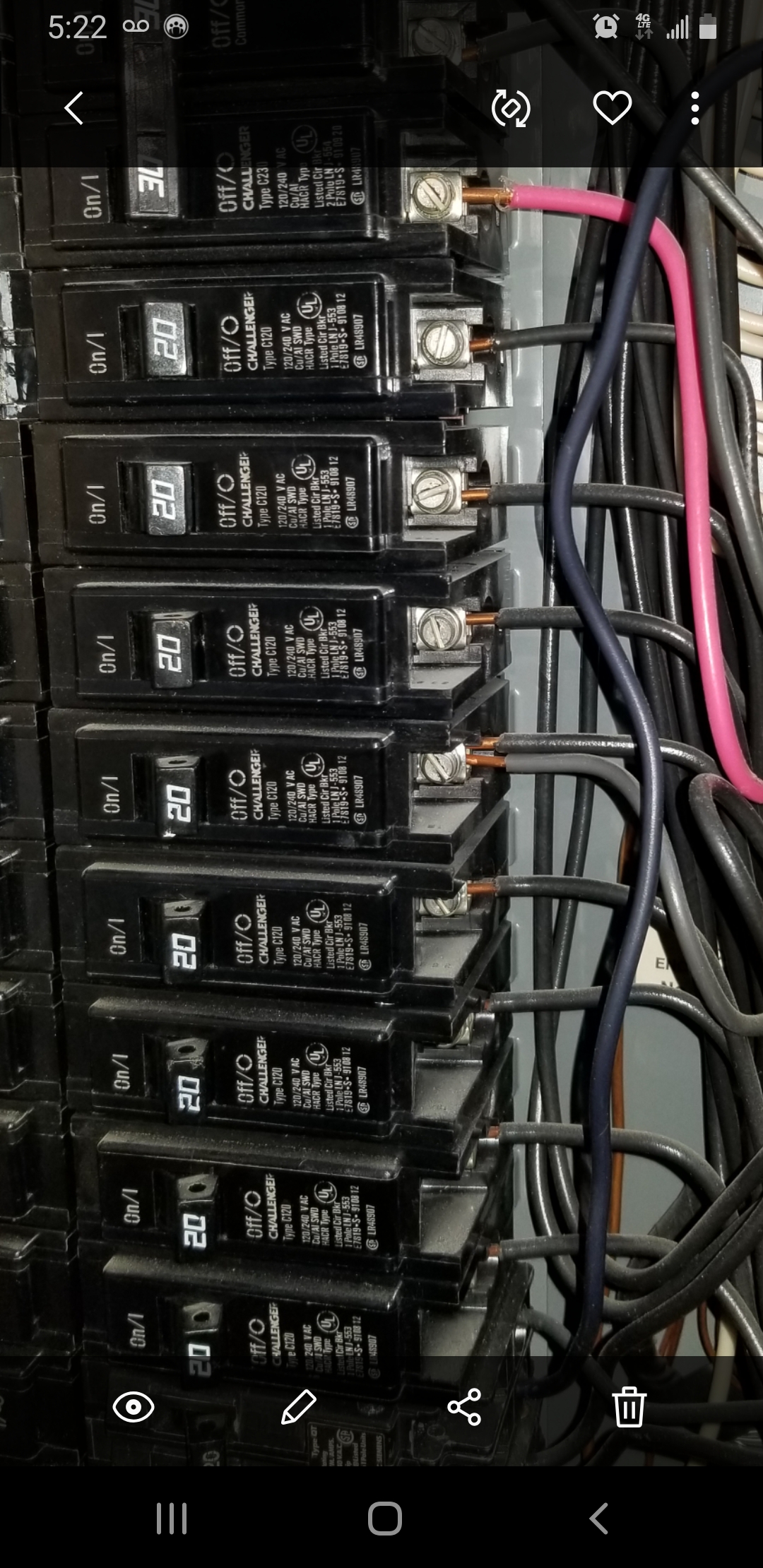
Double Tapped Breakers are notorious for overloads and present a potential fire hazard and if nothing else, a possible trip nuisance. To solve this issue, you should have a qualified Electrician assess and correct the faulty work done within your electrical panel. Whenever a breaker trips, or a fuse is blown, that serves as an indicator that something is wrong, whether ground fault, short circuit or an overload. FYI, if your circuit breaker trips every time you use an appliance like an iron or vacuum, yet the circuit was completely operational prior to using that appliance, then you can safely assume that you have an overload. And if you were to take things a step further and upon your investigation via qualified Electrician, you discover that that circuit breaker was Double Tapped then “there’s your problem right there”… If that circuit isn’t Double Tapped, then the load is in excess of the Over Current Protection Devices rating (Circuit Breaker) and it’ll trip due to the obvious overload and you’ll potentially need to have a dedicated line installed rated for the appropriate usage in demand. Circuitry should be free of unintended loads, and whenever you’re subjected to limited space in your electrical panel, you’d do well to consider upgrading your panel size. It’s TRUE, you can add a Tandem breaker aka (twin breaker) to allow for the addition of a new circuit, but you could be venturing outside of that panels design and load capacity. Panels are rated for a specific amount of amperage, and if you exceed that amperage, you could damage sensitive equipment or be at risk of a fire. You should always familiarize yourself with the electrical panel installed in your home. You should know exactly where it is, if its grounded properly, how many amps does your system supply, is it properly labeled and if there’s room for adding circuits. NEVER store things in front of your electrical panel, if there was an emergency and you needed to deenergize the power within your house, you’ll need immediate access to your main disconnect, or main breaker in order to shut the power off.
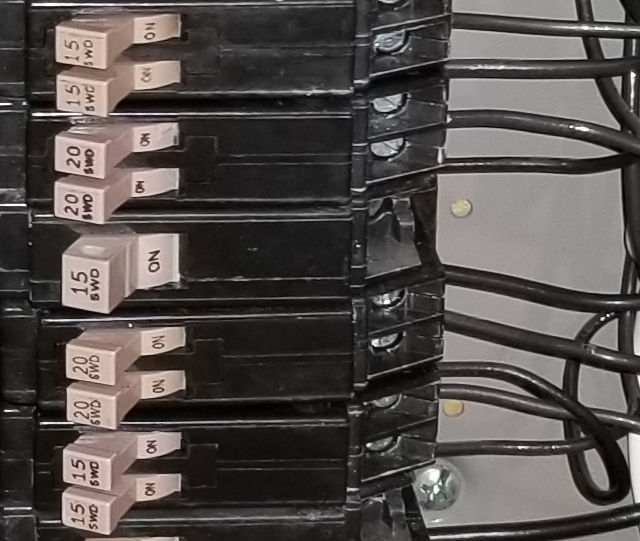
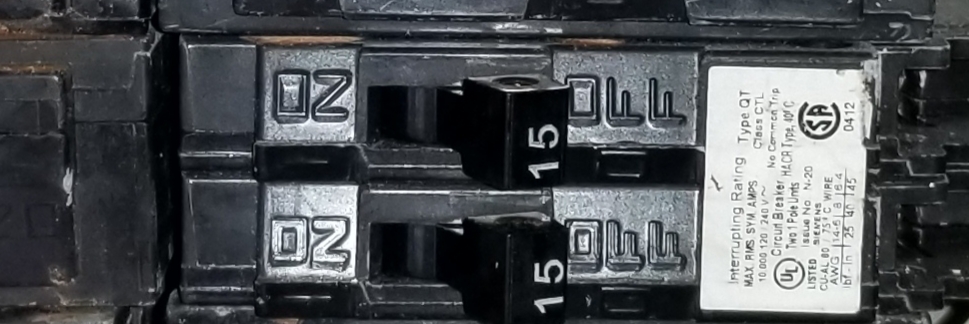
Tandem breakers come in many different styles designed by many different manufacturers. Always be sure of the panels make and model whenever pairing breakers as some are interchangeable however some are not. Interestingly enough, some panels are designed to limit the installation of excessive circuitry and therefore you’d have to upgrade your panel.
Philadelphia Panels
The main goal whenever completing a panel installation, is to leave the enclosure in a safe workable condition, so that the system will perfom at it’s best and so that anyone working behind you, can work safely with confidence. Within our industry we practice safe practices and have been trained to be diligent and thorough in the nature of our work, by using a wide range of PPE, Safeguards and Meters in order to Protect, Prevent and determine inefficiencies and safety hazards prior to the commencement of any task. If the job cannot be done Safe then the job cannot be done at all. To this day, I live by that Code, along with the lessons that I have learned through a wide range of safety protocols that served me well while working for numerous firms within the trades. To put an emphasis on safety, we must regard it as a Culture and not just an annoyance enforced by pencil pushers suffering from panic attacks. We must always be careful when working in any enclosure, and in terms of Philadelphia Panels, appearances may warrant different levels of precaution, BUT as a professional, we must treat every instance with the same respect given to live circuitry of any voltage. If there’s Potential Energy, then personal injury is possible and therefore it should be regarded as an imminent danger. Therefore you have to afford yourself a comfort that only methods like LOTO (LOCK OUT TAG OUT) can provide.
Always approach a task well rested with a clear head. Always DON your PPE, and utilize Safeguards to afford protection by maintaining clearances. Always test your multimeter on a live circuit to confirm that it’s working properly, before putting your faith into faulty equipment presenting what could be a false reading. Never take someone’s word, that a device, circuit or enclosure has zero energy without testing the equipment yourself or by having the equipment tested in front of you. When replacing a main panel in a single family dwelling, you should 1st remove the load, by turning off all individual circuits and then the Main Breaker or disconnect. Check both line and load side voltages, after pulling the electric meter, to verify zero voltage on the load side. You’ll need to be certain that the (load side) power feeding the residence has been incapacitated. DO NOT ASSUME that by pulling the electric meter, that you’ve severed all power to the residence. Theft of electricity is very common and can be very fatal. Afterwards, it’s good policy to use a meter cover rated for the amperage of the system and the enclosure housing the potential energy. Use a lock and tag listed with your information in order to secure the enclosure, and get right to work. Folks are working from home more and a power outage means NO WIFI. Its also Daylight Saving Time, you can run out of Daylight and panel installations alone can take up to 4hours depending on the amount of circuits, driving the ground rod and mounting the panel itself. Most of the panels that I have replaced in the City of Philadelphia weren’t grounded properly, the walls were unlevel and both internal and external wiring were of poor quality. BEWARE of #Knob&Tube wiring in these old houses, there’s a ton of unreliable splices made in rickety JB’s (Junction Boxes). FYI, the City of Philadelphia currently operates off of the 2017 NEC, familiarize yourself with Article 394, for concealed knob and tube wiring. Bare in mind that the AHJ (Authority Having Jurisdiction) supersedes the Code, therefore staying in compliance means keeping an open mind, the Vet’s are here to help.
These Blogs are not how to informationals and only serve as awareness for general understanding…

CASUALTIES OF WORK
Whenever performing any type of installation, always alert your customers to the CASUALTIES OF WORK. There’s always much to consider, whenever building as well as bidding. In this case in particular, a panel installation grew into a complete sevice install, from the utility taps down to the meter socket, and from the meter socket to the panel itself.
Initially the customer wanted to install 2 new circuits, 1 in the living room and 1, in the dining room. This issue here was the previous panel didn’t allow for FUTURE EXPANSION, the system wasn’t grounded via electrode, the mounting board wasn’t ¾” plywood and was rickety as hell. In addition it was completely rusted out which renders it as unsalvageable.
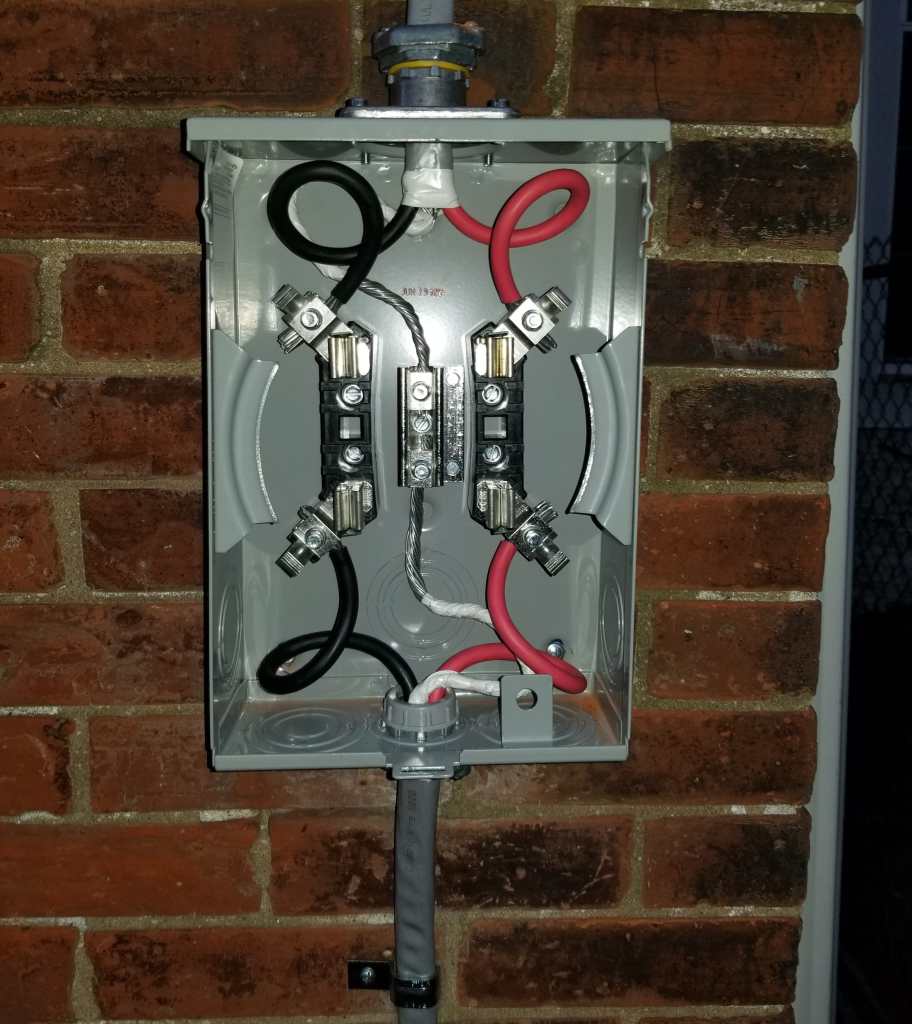
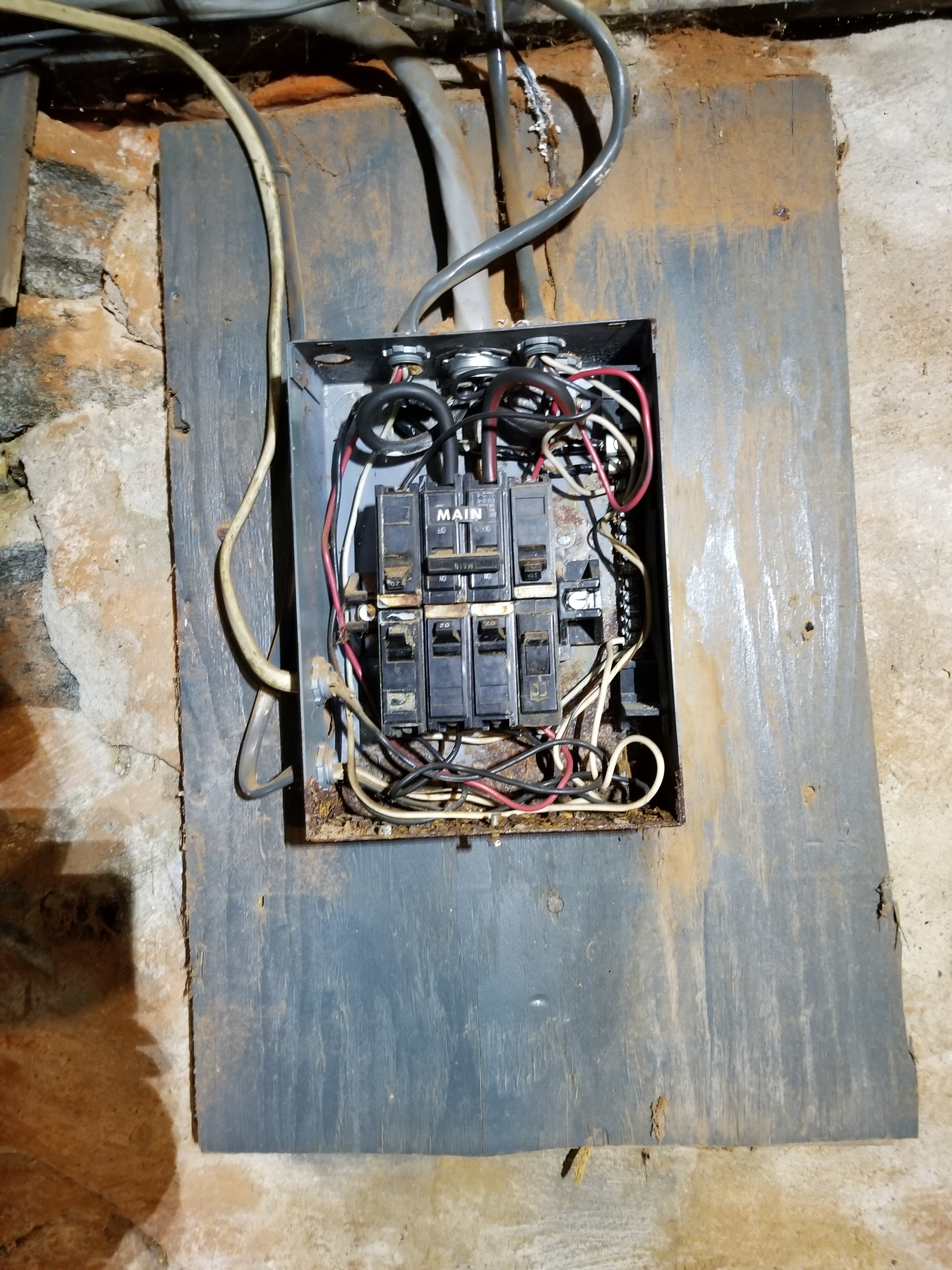
Immediately after seeing this beauty, my next steps led me outdoors where the meter itself was located to assess the meter enclosure itself as well as the service entrance cable exiting the building towards the meter enclosure and up to the utility taps. And sure enough, the meter enclosure was rusted out, the base wasn’t securely mounted to the enclosure, the jaws were rusted out and the neutral terminal lugs were corroded due to oxidation. In addition, the jacket on the service entrance cable was deteriorating. At that point, I had made a full assessment, and consulted with the customer while doing a walk through, so that they could get a visual on what all needed to be done, and how much things were going to cost in order for me to proceed.
After an agreement had been made, I drafted a contract to present to the customer for signature or shake and used the 50% deposit to purchase the materials for the job. But imagine if I had tried to install those 2 circuits by adding tandem breakers to that relic of a panel, or if I tried to pull the meter in an attempt to sever the power to the property to complete the panel install and the jaws would’nt let go of the meter because the base wasn’t secured to the enclosure and it was still connected to the line side via utility taps… To make a long story short, SAFETY IS KING and time is money, take your time and assess the CASUALTIES OF WORK, and afford yourself peace of mind or it will come back and bite you on the ass.
Think Practical …
Good day all…
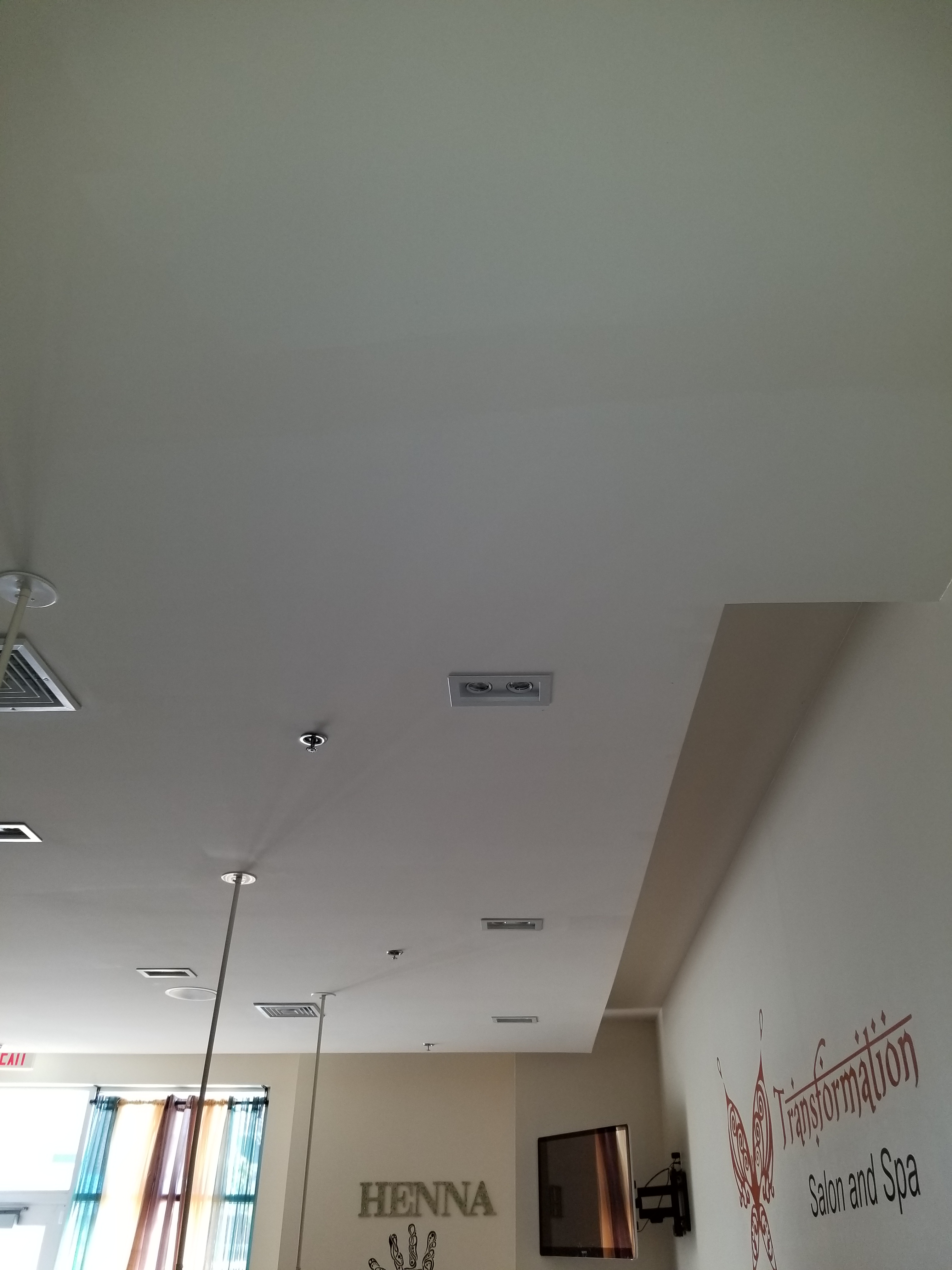
When choosing lighting for your business or home, you should always take the practical approach. You should aim at illuminating the area of interest and Always Think Future Expansion. Truth be told, that even when you plan ahead, there will always be unforeseen cost, for additional task associated with the work being performed, especially when retrofitting and installing in spaces being occupied. The objective is to minimize setbacks and added cost, while being as efficient as 100% gets. Whenever installing products, I prefer to use devices that are listed by the Underwriters Laboratories Inc. or by another company with an equal testing credibility, also recognized by the Nationally Recognized Testing Laboratory. You can locate the UL stamp on the product itself, and if not UL, which actually serves as the acronym for Underwriters Laboratories it will be an acronym corresponding with the testing facility that tested that product.
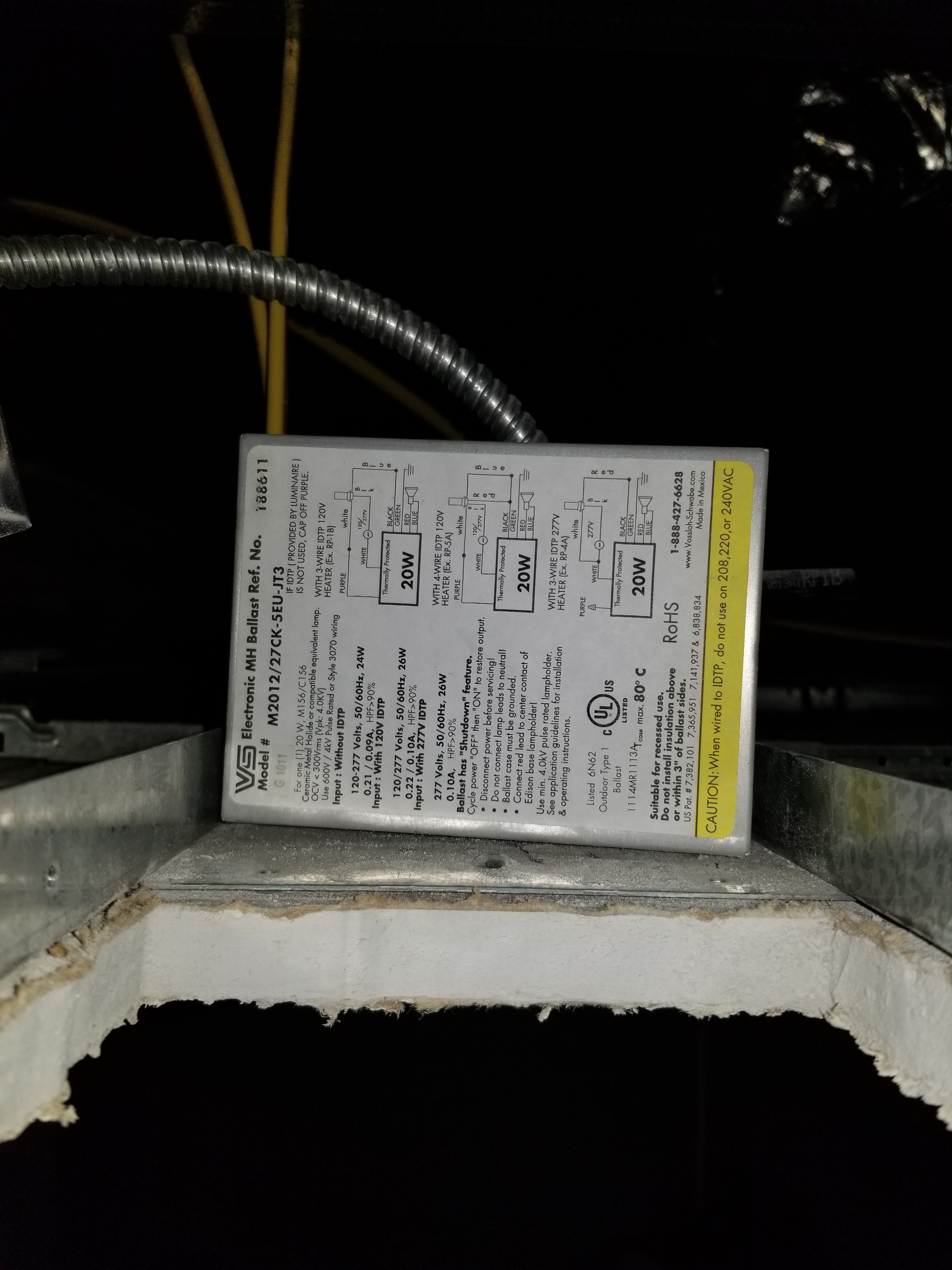
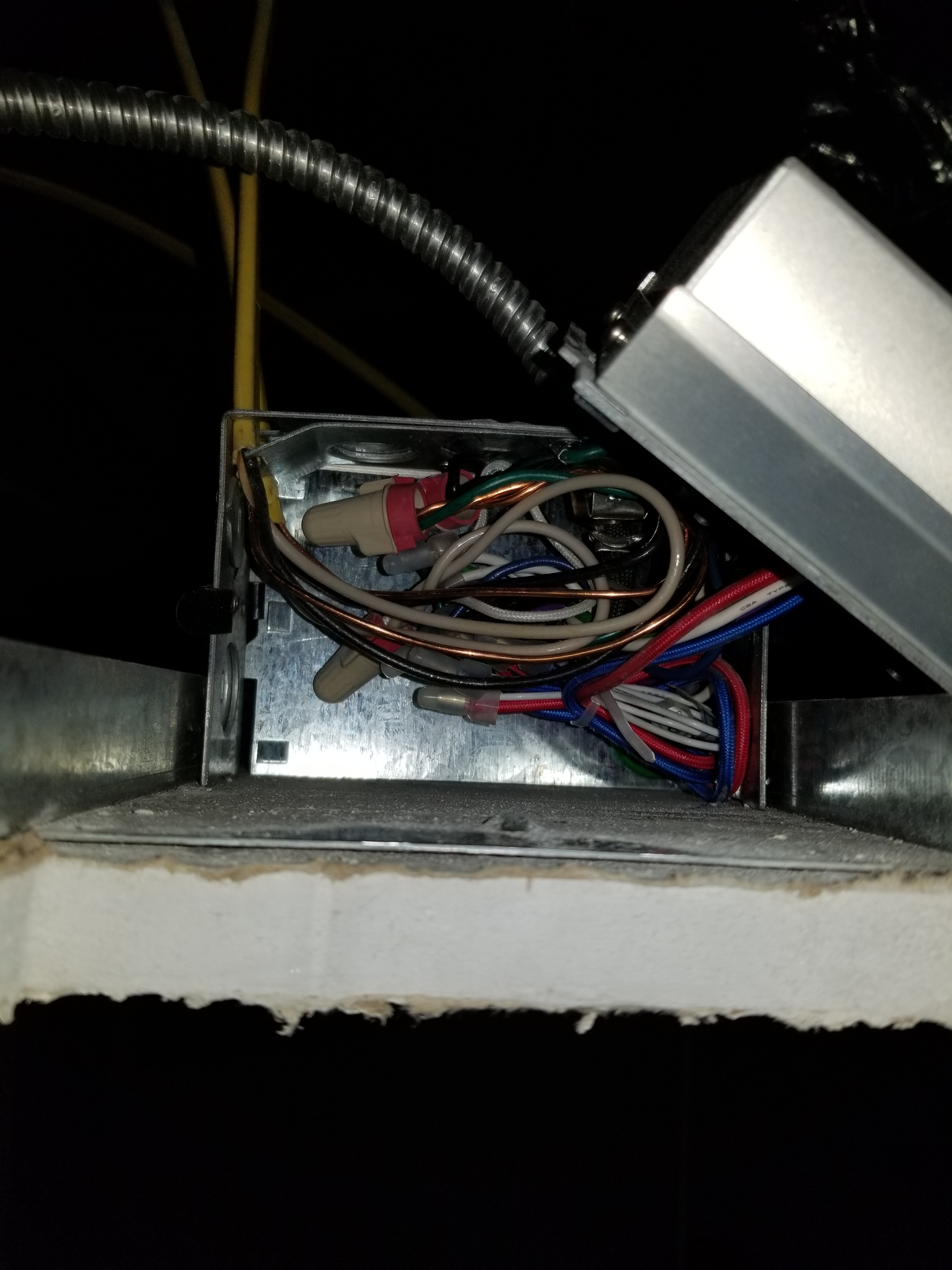
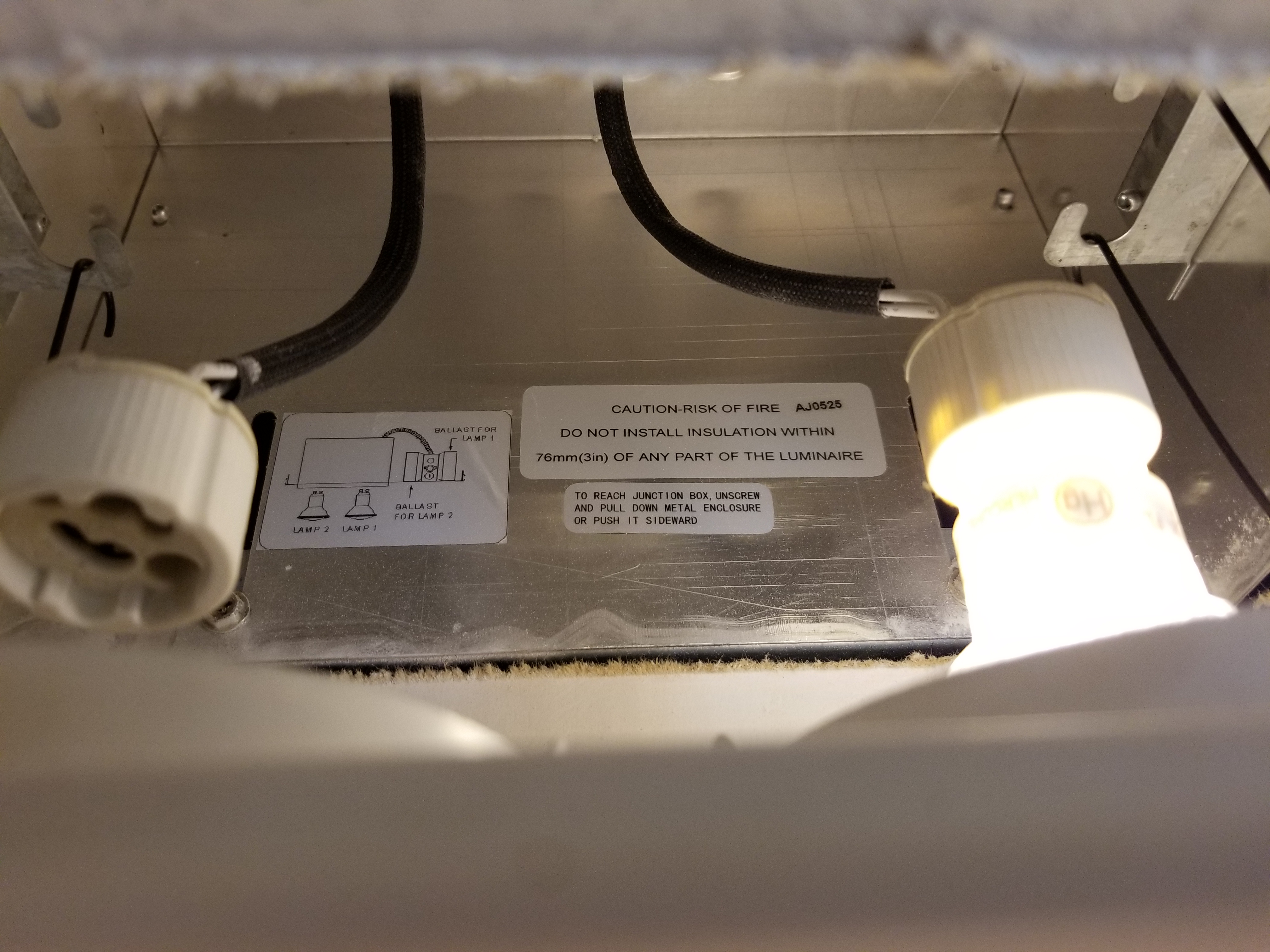
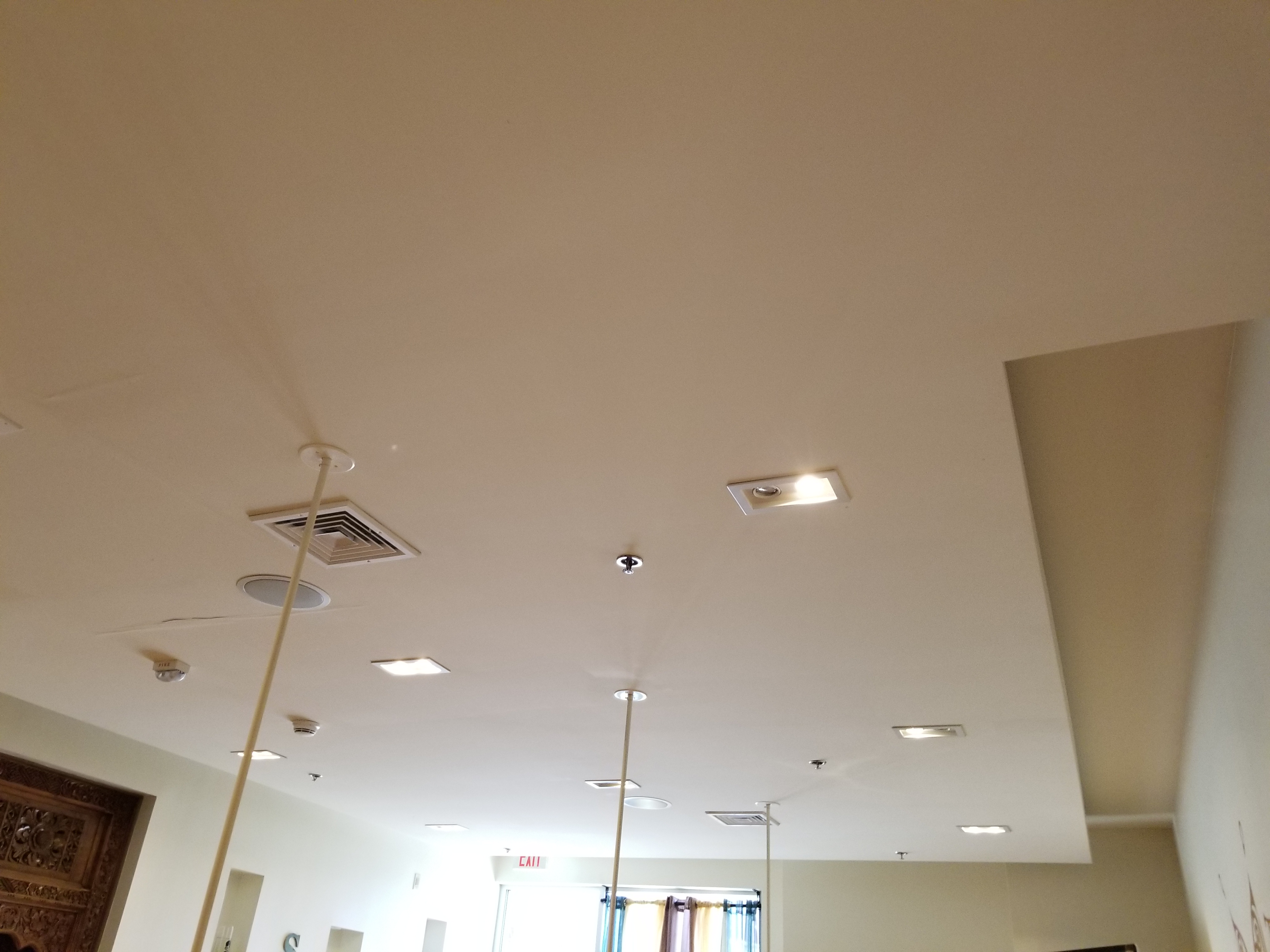
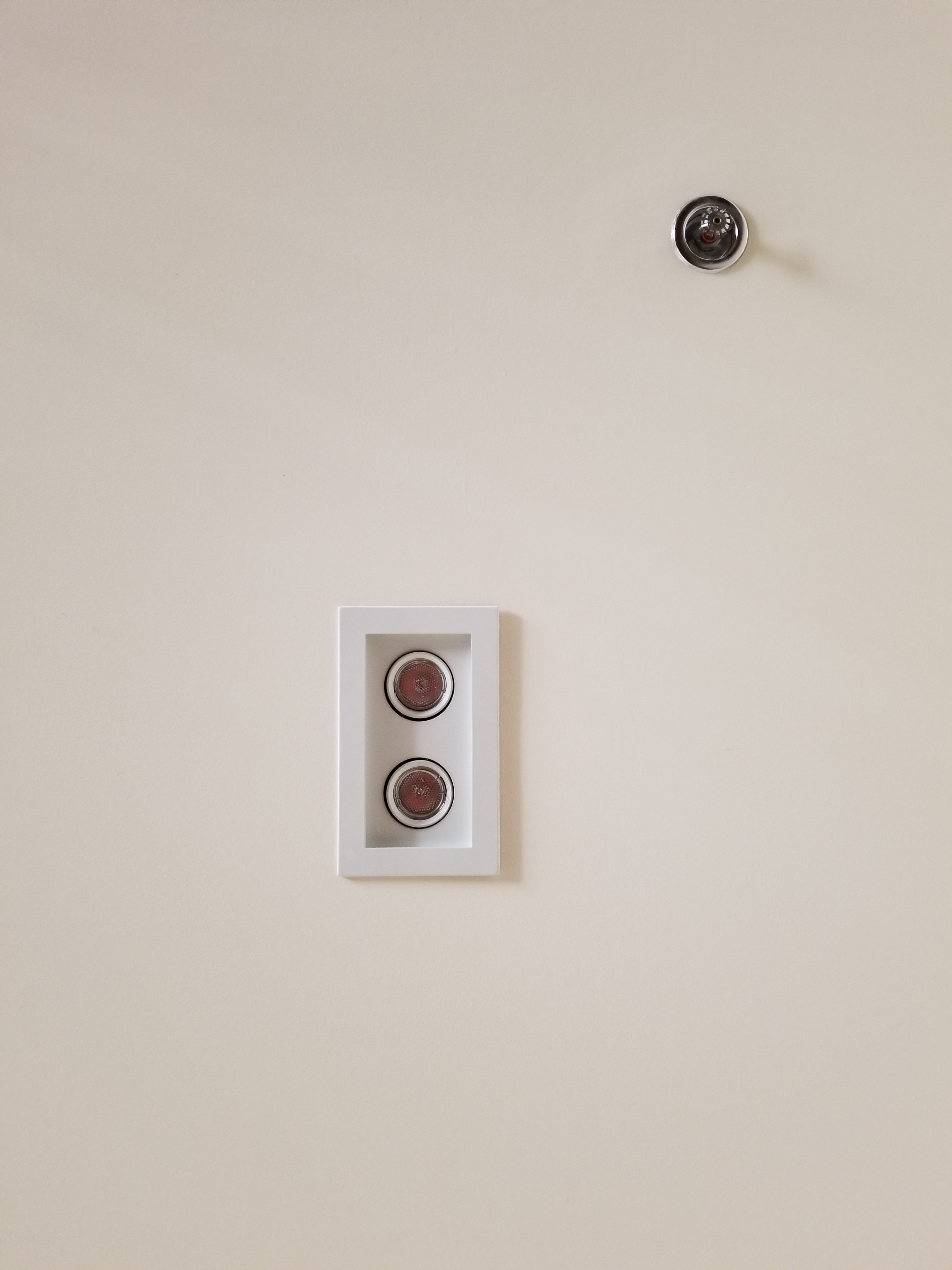
That aside always use a practical approach, because it will afford you an adequate install for the goal that you aim to achieve. In terms of lighting as shown in the pictures above, the customer went with style verses adequacy. Without a doubt, the rectangular shaped recessed lighting is very nice, and worked fine until, the ballast within the fixture went bad. Issue here is that there are no after market replacement parts for these lights and the dimensions for this fixture, puts the customer in the position to make a costly decision, to either purchase new lighting at cost, (11 fixtures@ $439/fixture) or go with a different fixture all together and pay a Carpenter to patch and paint the holes from the removal of the old fixtures, which will pose another issue, whereas the tenant of the establishment, will be out of work, for the duration of this project. Needless to say, but the rent paid may be a little short that month.
All in all, if the customer would’ve chosen a rounded style of recess lighting, whether swapping bulbs for LED’s etc. a 4″ – 6″ rounded fixture, would at least eliminate the Carpenter and excessive dust from the equation, making the install a 1 day job, verses a potential week.
Going forward, just know that halogen bulbs are being phased out and they pose a huge heat issue, so DO NOT OVERLAMP. If the fixture is rated for a 60watt bulb, then use a 60watt bulb. In addition never buy a fixture with an odd shape, unless you can afford the cost to replace them entirely, and always get a warranty if offered one that’ll grant you coverage beyond what that manufacturer allows.
Double Charge
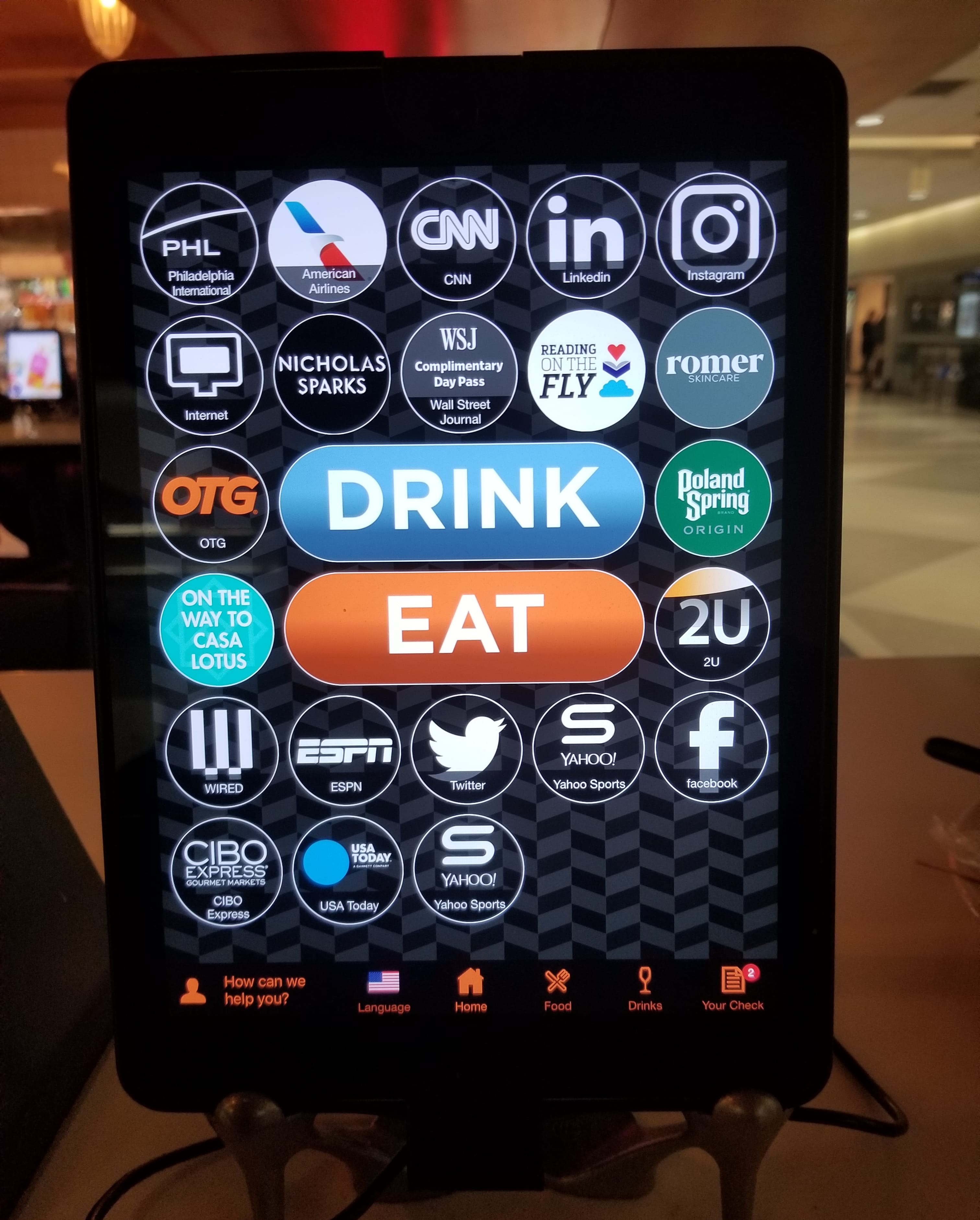

Getting breakfast before an early morning flight and I noticed that when I submit payment, that the confirmation receipt is extremely delayed. As if the order itself is still in limbo. After speaking with a customer associate at Love Grill within Philadelphia International Airport, I learned that in order to confirm payment made and order received, that I need to check my credit card transactions to see if my account was already charged, in which it was. Lesson learned and note to the wise, that whenever dealing with this type of incident, to never assume that the transaction didn’t process. Long story short, you will be charged for an additional meal and or beverage if you resubmit payment and you’re looking for the receipt confirmation to be sent to your email or cell via text, whichever you choose.
 Shock Therapy Electric LLC.